
The Asian Infrastructure Investment Bank has successfully priced its second Climate Adaptation Bond, raising AUD500 million under the AIIB Sustainable Development Bond Framework.
The five-year bond will fund projects where at least 20% of total project financing contributes to climate adaptation efforts, underscoring AIIB’s commitment to enhancing climate-resilient infrastructure and promoting sustainable development across its members.
AIIB’s definition of climate adaptation is based on the harmonized principles from the multilateral development banks’ Joint Methodology for Tracking Adaptation Finance and the Common Principles for Climate Change Adaptation Finance Tracking. The Bank follows rigid climate-resilience criteria, requiring robust climate risk identification, assessment and management. The details on these criteria are provided under AIIB’s Methodology for Assessing the Alignment of AIIB Investment Operations with the Paris Agreement (2023).
Eligible projects financed through this bond include initiatives such as the Climate Resilient Inclusive Development Program in Bangladesh and the Bukhara Region Water Supply and Sewerage Phase II in Uzbekistan, which strengthens local water infrastructure to mitigate climate-related risks and reduce the climate vulnerability of the Bukhara region by improving access to resilient water and waste management services.
“We are pleased to return to the Australian dollar market with our second Climate Adaptation Bond,” said AIIB Treasurer Domenico Nardelli. “As climate change continues to intensify, investing in resilient infrastructure becomes more critical. The proceeds of this bond will strengthen the resilience of infrastructure across our members, enabling them to better prepare for and mitigate the impacts of future climate events.”
“AIIB's second adaptation bond shows the Bank's strong commitment to addressing the growing and disproportionate impact of climate change in Asia and the need to raise the importance of financing climate adaptation,” said Hun Kim, Acting Vice President for Investment Solutions and Director General, Sectors, Themes and Finance Solutions Department. “Improving the resilience of infrastructure will not only minimize the financial impact of damage caused by climate-related events but also reduce the disruption to economic activity. At the same time, AIIB believes infrastructure has a key role to play in increasing the climate resilience of communities, and this bond will help implement such solutions.”
AIIB’s commitment to climate financing continues to grow significantly. In 2023, climate finance reached USD3.43 billion—representing 60 percent of total approved regular financing, up from 56 percent in 2022 and exceeding its target of 50 percent by 2025. With climate change impacts becoming increasingly urgent, AIIB plans to expand financing for adaptation projects, providing critical support to Members addressing climate-related challenges. Details about AIIB’s Climate Adaptation Bond and eligible projects are available in AIIB’s Sustainable Development Bonds Impact Report 2023.
Key Transaction terms
|
Issuer |
Asian Infrastructure Investment Bank (“AIIB”) |
|
Rating |
Aaa/AAA/AAA (Moody’s, S&P and Fitch), all stable |
|
Issue Amount |
AUD 500,000,000 |
|
Status |
Direct and Unsecured |
|
Pricing Date |
14 January 2025 |
|
Settlement Date |
21 January 2025 (T+5) |
|
Maturity Date |
21 January 2030 |
|
Coupon |
4.6%, Semi-Annual, 30/360, Following, Unadjusted |
|
Re-offer Spread |
+51 bps |
|
Re-offer Price |
99.85% |
|
Re-offer Yield |
4.634% |
|
ISIN |
AU3CB0317444 |
|
Lead Managers |
Commonwealth Bank Australia, Mizuho Securities, Toronto Dominion Bank, UBS |
Investor Distribution:
|
By Investor Type |
|
|
Central Banks/Official Institutions |
8% |
|
Bank Treasuries |
49% |
|
Asset Managers/Pension Funds/Others |
46% |
|
By Investor Region |
|
|
APAC |
53% |
|
EMEA |
42% |
|
Australia |
5% |
About AIIB
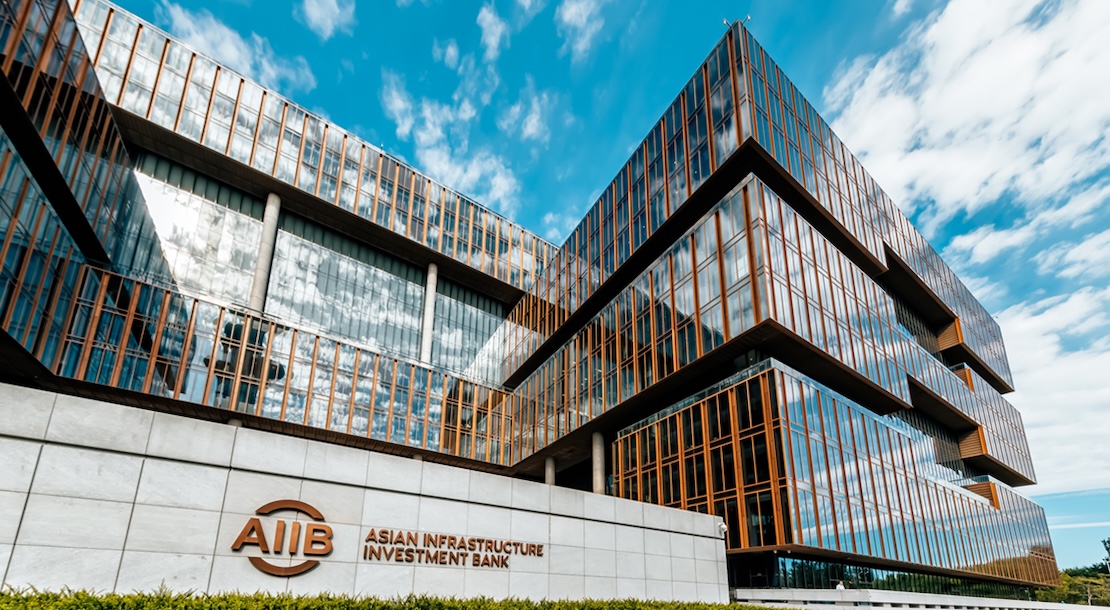
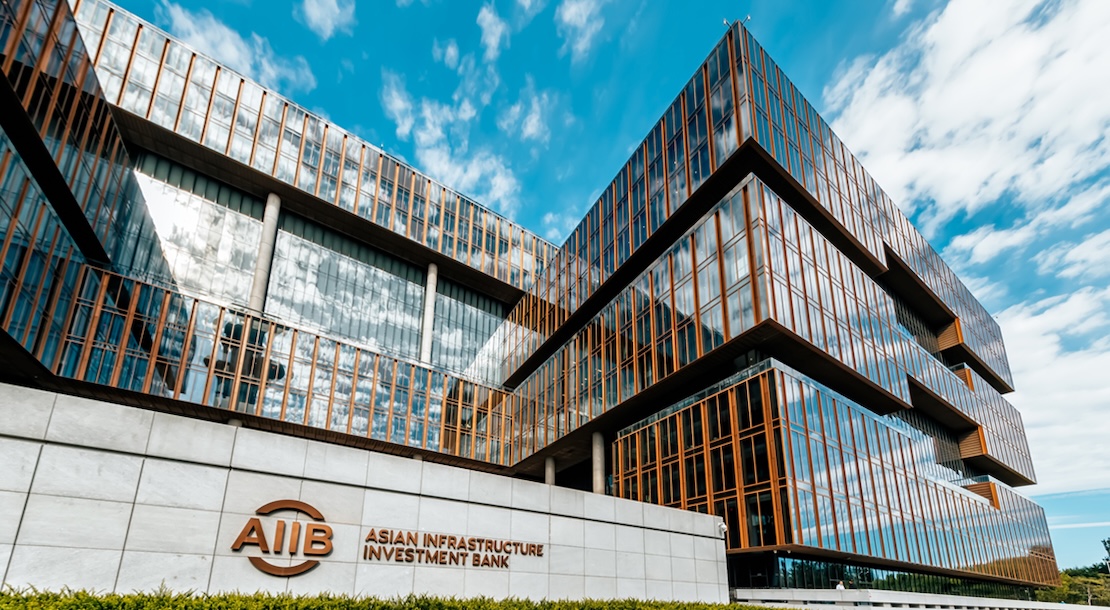
The Asian Infrastructure Investment Bank (AIIB) is a multilateral development bank whose mission is Financing Infrastructure for Tomorrow in Asia and beyond—infrastructure with sustainability at its core. We began operations in Beijing in 2016 and have since grown to 110 approved members worldwide. We are capitalized at USD100 billion and AAA-rated by the major international credit rating agencies. Collaborating with partners, AIIB meets clients’ needs by unlocking new capital and investing in infrastructure that is green, technology-enabled and promotes regional connectivity.