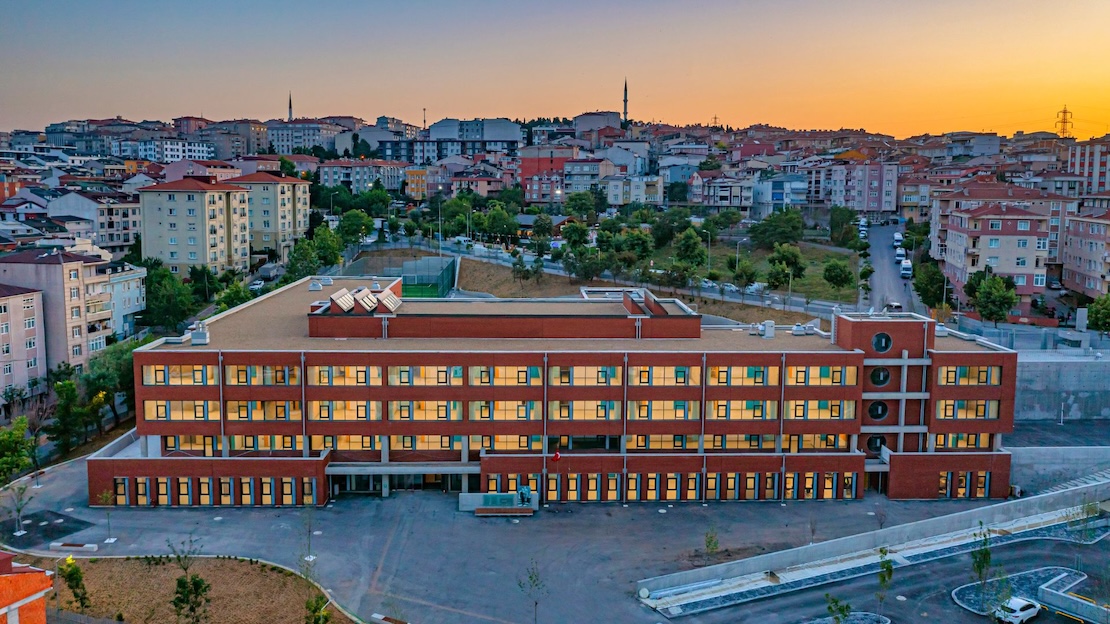

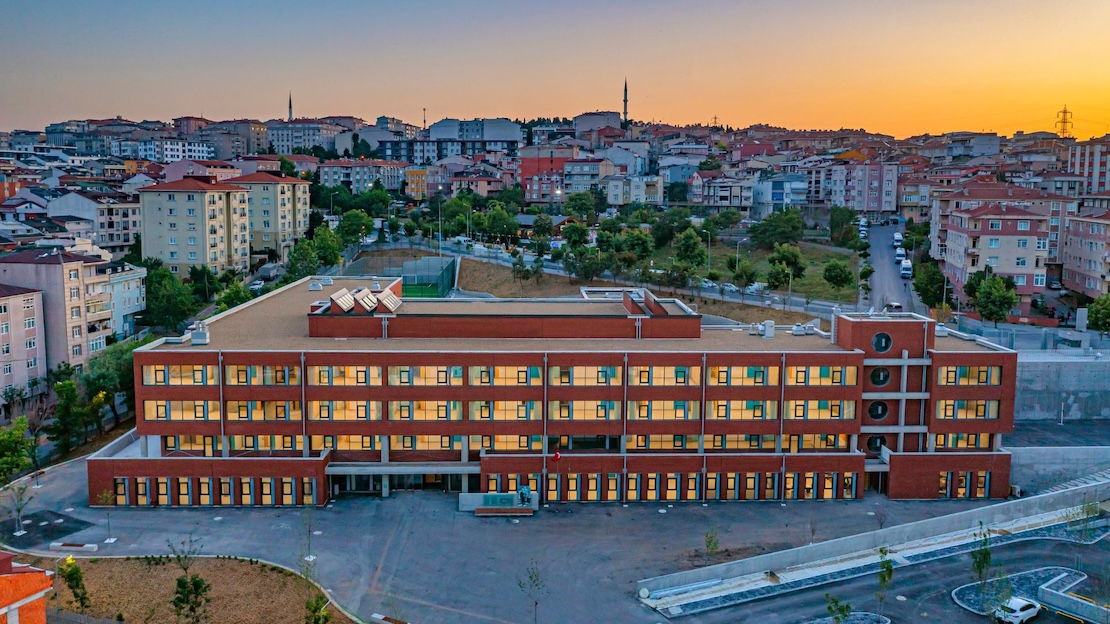
In Istanbul, Türkiye, the Asian Infrastructure Investment Bank (AIIB) is supporting the Istanbul Seismic Risk Mitigation and Emergency Preparedness Project (ISMEP) to future-proof the city’s buildings and residents. The project also contributes to the achievement of the United Nations Sustainable Development Goals (SDGs).
Located on the Anatolian plate, Türkiye is highly vulnerable to earthquakes. Since the devastating 1939 Erzincan 7.9 magnitude earthquake, the country has faced thousands of quakes, 15 of which measured above 7 in magnitude. In addition to the human toll, these disasters have caused immense economic losses, disrupted education and strained public services, highlighting the urgent need for a holistic approach to urban resilience.
As one of the world’s oldest cities, Istanbul, is particularly at risk. Home to 16 million residents, its centuries-old buildings and infrastructure have had to endure multiple tremors throughout the years. In 1999, the city was hit by a major earthquake that claimed over 17,000 lives and caused USD5-13 billion in damaged infrastructure. In response, the Government of Türkiye, with financing from the World Bank, the Islamic Development Bank and other development partners, created ISMEP. This project, Türkiye’s first disaster risk reduction initiative, aimed to address potential crises arising from the city’s most common disasters, particularly earthquakes. Türkiye adopted a new building code and recognized that Istanbul’s buildings and public infrastructure required retrofitting and reconstruction. The initiative went beyond strengthening structures—it aimed to safeguard livelihoods, maintain essential public services and foster a sustainable urban environment.
AIIB approved the first ISMEP project in 2019, providing financing of up to USD300 million. This funding helped Türkiye attract additional investment from international finance institutions, resulting in a total package of EUR2.62 billion. This initial project covered the retrofitting and reconstruction of public schools, hospitals and administrative buildings.
In February 2023, central and southern Türkiye experienced three earthquakes, two of which measured magnitudes 7.8 and 7.5. These quakes caused the collapse of over 37,000 buildings and extensive damage to 200,000 more. The city needed additional financing to cover the reconstruction and retrofitting of 141 more educational buildings. AIIB approved EUR150 million in 2023 and EUR300 million in 2024 for the ISMEP Additional Financing and ISMEP-2 Projects. The ISMEP projects not only address the reconstruction and retrofitting of public school buildings, but also contribute to Türkiye’s resilience, climate mitigation and adaptation goals. They align with AIIB’s commitment to helping our Members reach their Paris Agreement goals. The projects also aim to strengthen Istanbul’s resilience against disasters and natural hazards, which are likely to be exacerbated by the impacts of climate change. Beyond ensuring physical safety, the projects promote Istanbul’s long-term urban sustainability, enabling communities to thrive even in the face of natural hazards.
The ISMEP projects contribute to the achievement of several Sustainable Development Goals (SDGs). The project approved in 2023 is our first sustainable and resilient cities initiative in Türkiye and aligns with SDG 11 for Sustainable Cities and Communities. It also diversifies our investments in the country from the transport and energy sectors and is a great opportunity for AIIB to develop and implement a sustainable and resilient cities project that we could replicate in other Members.
The projects promote resource efficiency, reduce energy consumption and lower emissions, in line with SDG 8 on Decent Work and Economic Growth and AIIB’s Green Infrastructure thematic priority. The reconstruction of 105 of the 141 buildings will incorporate renewable energy and energy efficiency features such as solar power (when appropriate) and energy-efficient lighting and appliances, supporting SDG 7 on Affordable and Clean Energy. The design of the reconstructed buildings will adhere to the International Finance Corporation’s EDGE green building standards, contributing to the achievement of SDG 13 on Climate Action. Rainwater harvesting, drainage and wastewater treatment facilities will be installed in line with SDG 6 on Clean Water and Sanitation. The remaining 36 buildings will undergo retrofitting to meet the seismic performance standards of the 2018 Türkiye Building Earthquake Regulation, ensuring the safety of lives and livelihoods.
Another important aspect of the ISMEP program is the inclusive and accessible design of all retrofitted and reconstructed buildings. This addresses SDG 5 on Gender Equality and SDG 4 on Quality Education, specifically Target 4.a of building and upgrading education facilities that are child-, disability-, and gender-sensitive and provide safe, non-violent, inclusive and effective learning environments for all. One of the reconstructed schools was a school for people with disabilities.
The project’s implementing agency, Istanbul Project Coordination Unit (IPCU), estimates that over 76,000 students and around 5,000 teachers will benefit from the reconstruction and retrofitting of school buildings. The buildings include not just classrooms but other facilities such as sports halls, conference rooms and canteens, enhancing the overall learning experience and ensuring that future generations have access to safe and high-quality education facilities.
We’re already seeing some results several years from the first ISMEP project. In 2024, IPCU representatives reported improvement in students’ learning experience. Students expressed happiness in their “new” school as there was more space for additional activities, evident in the declining absentee rates among beneficiary schools.
Istanbul’s journey toward resilience through the ISMEP projects demonstrates AIIB’s commitment to financing strategic investments in infrastructure that can simultaneously protect lives, enhance education quality, and build sustainable urban environments. As climate change threatens to increase disasters triggered by natural hazards globally, the ISMEP model offers valuable lessons for cities worldwide: prioritize preventative measures, design with multiple SDGs in mind, and invest in infrastructure that serves both immediate safety needs and long- term development goals. Through these integrated approaches, we truly protect and enrich lives while building resilient futures for generations to come.
AIIB reports on its contributions to the Sustainable Development Goals (SDGs) in its annual Impact Reports, available here. It recently published its 2024 Impact Report, available here.
This article was first published in the 21st issue of the SDGs Digest, a biannual publication of the Islamic Development Bank (IsDB) Group and launched during the Islamic Development Bank Group Annual Meetings (May 19-22, 2025, in Algeria). For more examples about work by other agencies to achieve the SDGs, read the full publication, available here.