
Kazakhstan has made strong strides in its journey toward green energy, and partnerships with multinational financial institutions such as AIIB are accelerating this transition. The country has ambitious goals for climate change, aiming to achieve carbon neutrality by 2060. To do so, it intends to limit its greenhouse gas emissions and transition to renewable energy, as underwritten by the country’s Green Energy Concept and Carbon Neutrality Strategy 2060.
Achieving this goal requires a major overhaul of the country’s power infrastructure. Kazakhstan relies today on coal for over 70% of its electricity generation. But the country aspires for renewable energy to contribute half of its power by 2050 and 15% by 2030. Kazakhstan has made impressive progress, even revising its 2030 target from 10% in 2021.
At the beginning of 2024 there were 146 green-energy facilities in the country including wind (59), solar (45), mini-hydroelectric power stations (39) and biogas (3) with a total capacity of 2,880 megawatts. The development of Kazakhstan’s renewable energy sector over the last decade has been significantly supported through long-term financing by international financial institutions.
At this critical juncture of Kazakhstan’s energy transition, the AIIB aims to play a key role. Committed to fostering sustainable development across the region, we’ve partnered with the country to harness the vast potential of its natural resources to create renewable energy.
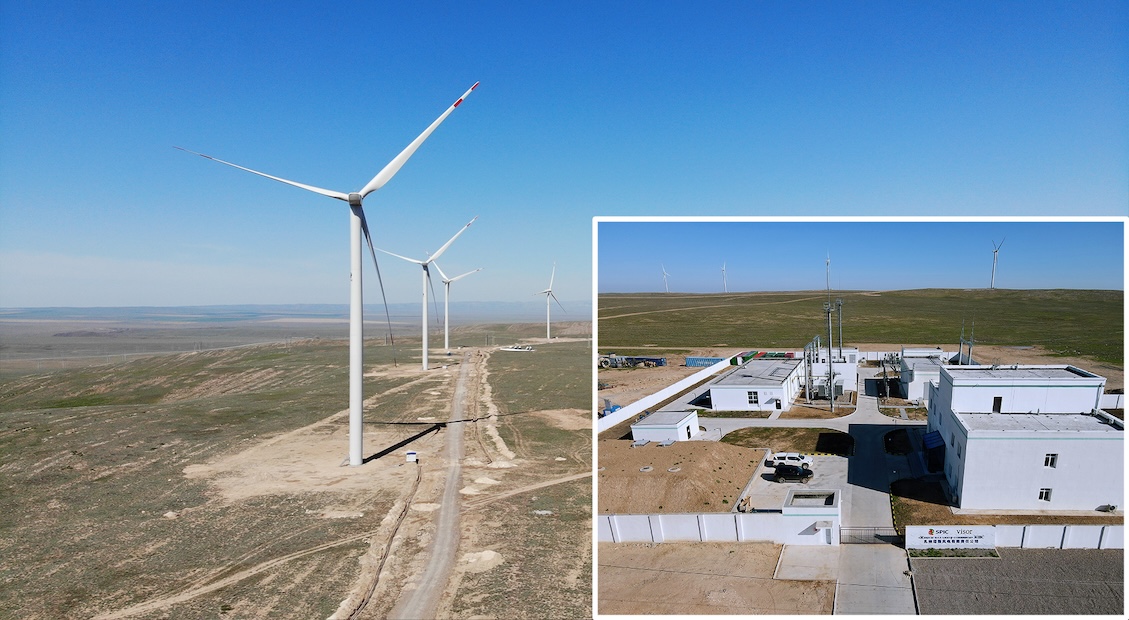
Our involvement is exemplified by two flagship projects in southern Kazakhstan. The Zhanatas Wind farm was AIIB’s first project in the country. With a total power capacity of 100MW and an annual output of about 320 million kWh, the project helps abate about 250,000 tons of carbon dioxide emissions annually.
Similarly, the nearby Shokpar 100MW Wind Power Plant supports Kazakh renewable targets and doubles AIIB’s contribution to the country decarbonization effort. Both projects are in line with AIIB’s mission, where we prioritize “Infrastructure for Tomorrow” with a specific focus on green technologies and renewable energy sources.
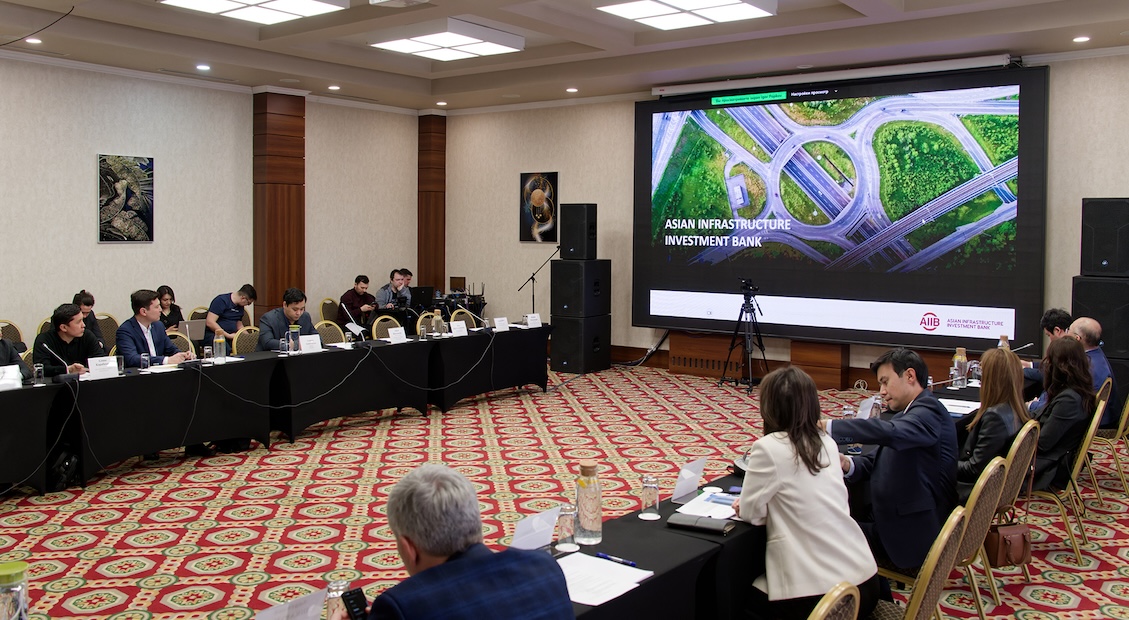
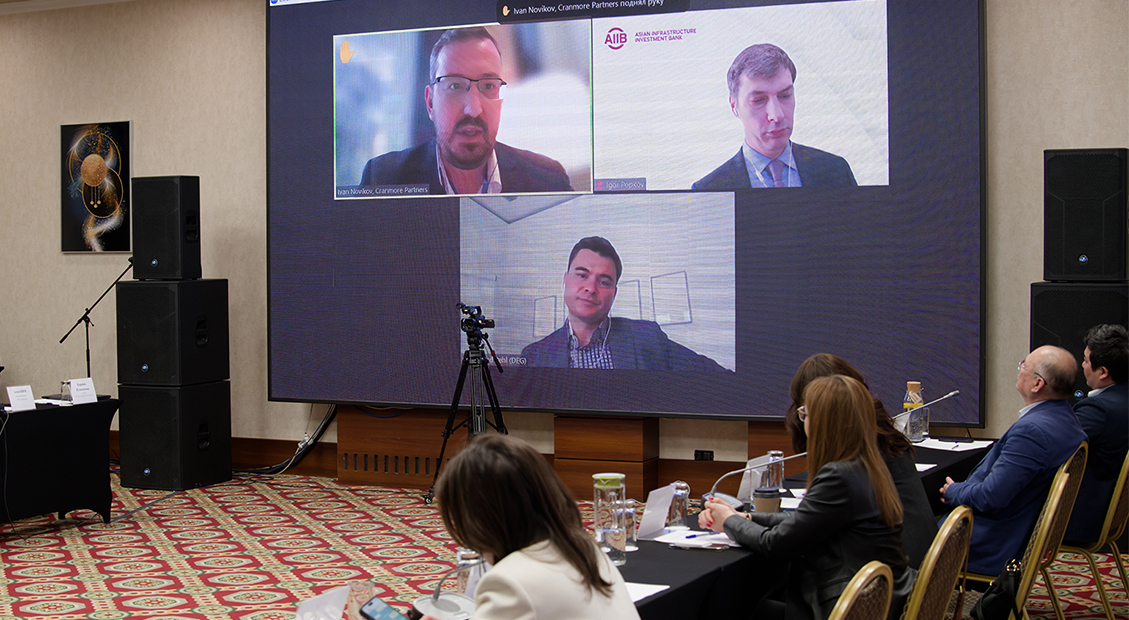
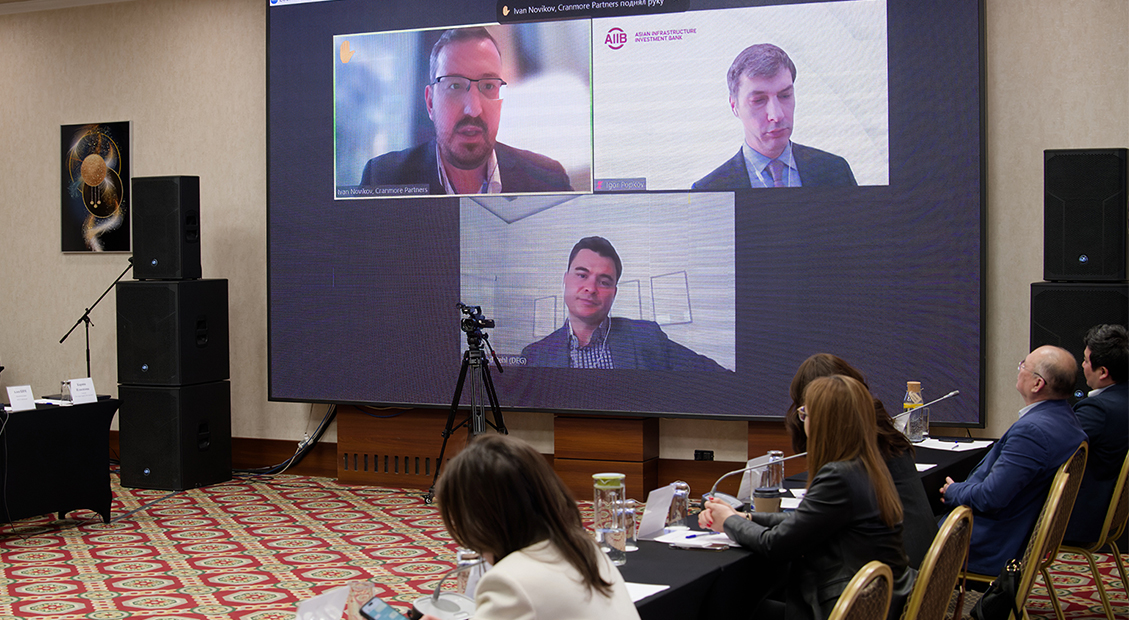
Our commitment to our client countries such as Kazakhstan extends beyond mere investment. We remain steadfast in ensuring that energy transitions are equitable and inclusive. By engaging with local stakeholders and tailoring solutions to address unique challenges, we strive to leave no community behind in the journey toward sustainability. Recent insights from the roundtable “Financing Renewable Energy Projects in the Republic of Kazakhstan” shed light on the collaborative efforts between international and Kazakh financial institutions in driving renewable energy development. Nurlan Kapenov, Chairman of the Board of Directors of the Renewable Energy Association “Qazaq Green,” emphasized the crucial role played by such institutions in supporting economic reforms, not only in Kazakhstan but globally.
“As of now, renewable energy sources account for approximately 6 percent of the country’s total generating capacity,” Kapenov said. “Continuous dialogue among all market players is essential to foster sectoral growth.”
Developing clean energy has been at the heart of AIIB’s mission since the Bank’s establishment. AIIB’s Energy Sector Strategy has, from the beginning, set out a clear framework for members to transition to a clean energy system that provides access to affordable, reliable and sustainable energy for all. In 2020, Jin Liqun, AIIB’s President and Chair of the Board of Directors, declared that AIIB would not finance any coal-fired power plants or other related projects. That same year, we declared our ambition to make climate finance 50% of our total financing approvals by 2025.
As we navigate toward a greener future, collaboration and dialogue among financial institutions, government bodies and local stakeholders will be instrumental. AIIB remains committed to playing a pivotal role in driving Kazakhstan’s renewable energy transformation, ensuring a sustainable and resilient future for generations to come.