Over the past decade, the Asian Infrastructure Investment Bank (AIIB) has transformed from an ambitious idea into a leading multilateral development bank (MDB), delivering tangible impact for our Members and their people. AIIB has financed infrastructure that is not only essential for economic growth and well-being, but also focused on delivering environmental and social sustainability and much-needed resilience in an evolving world.
The achievements of our first decade speak for themselves. By 2025, AIIB disbursed over USD38.4 billion in financing projects across different economies in Asia and beyond, spanning diverse infrastructure sectors, including energy, transport, water, sustainable cities, digital infrastructure and technology, health, and education. Our Sustainable Development Bonds have raised more than USD55 billion, covering current and future disbursement commitments based on committed projects with clear sustainability outcomes and impacts. Yet, as we celebrate these milestones, we must confront the reality that global challenges are intensifying. Recent disasters among our Members, such as the devastating flash floods and landslides in Sumatra (Indonesia) and Sri Lanka, claimed the lives of thousands of people, diminished the livelihoods of entire areas, and caused considerable economic losses. Climate change, biodiversity loss, pollution, and geopolitical instability are converging to create risks that threaten lives and livelihoods, particularly in developing countries. It is with these challenges that AIIB is coordinating action to support our Members.
AIIB stands ready to lead in this new era. Guided by our mission to finance Infrastructure for Tomorrow, we will continue to innovate, collaborate, and leverage the experience we have gained in delivering development outcomes. Our strong financial foundation and dedicated team enable us to pursue a “green, clean, and lean” approach, delivering impact efficiently while upholding the highest standards of integrity. Transparency remains central to our approach. We report regularly on our progress, and in 2025, AIIB launched its first Sustainability Report, an important milestone in strengthening accountability and stakeholder trust.
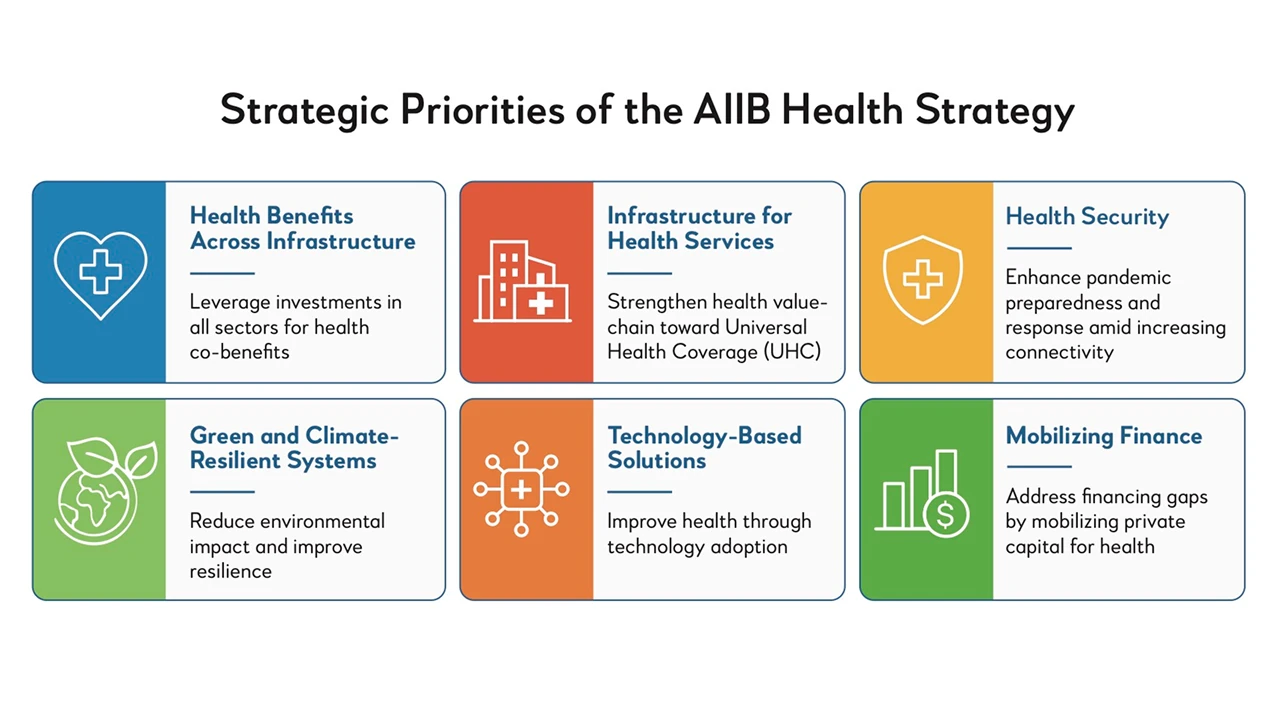
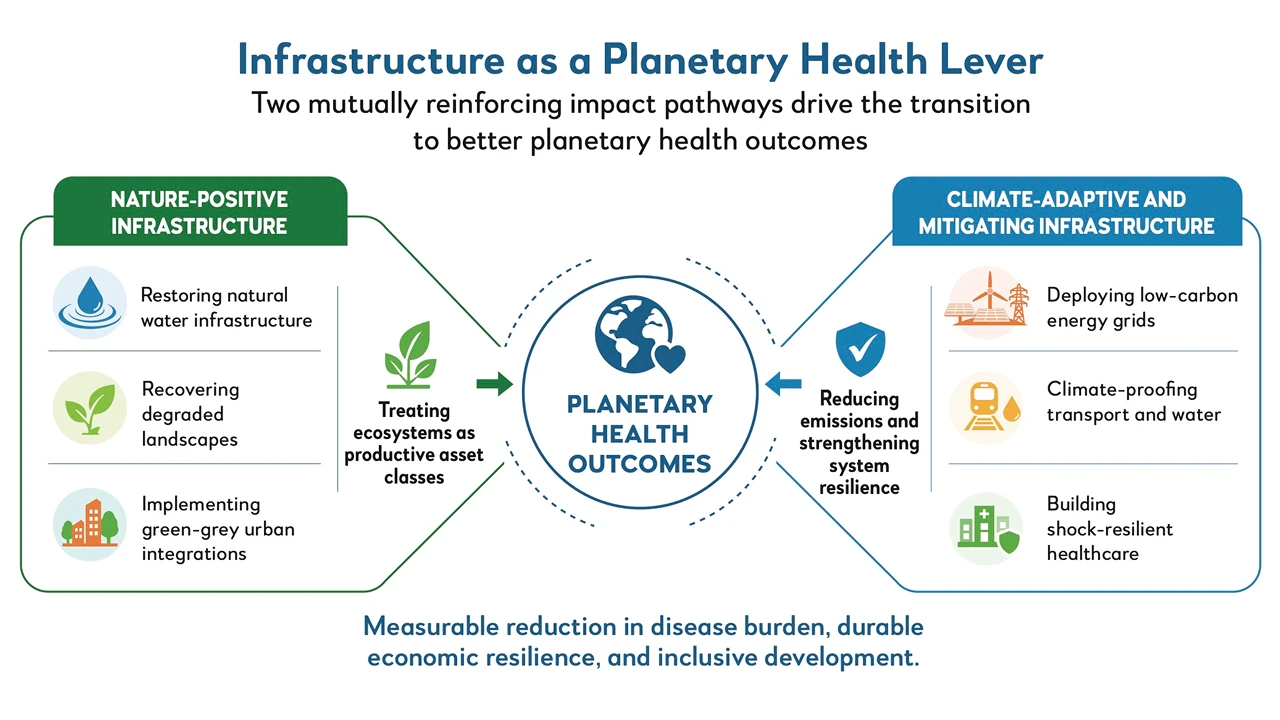
We are also advancing investments in health, nature-based solutions, and digital finance initiatives – among others – reinforcing our commitment to sustainability and inclusivity. Looking ahead, we will deepen and explore partnerships with a broad range of stakeholders including other MDBs, governments, and private investors to mobilize resources at scale.
As the President of AIIB, I am honored to lead this institution into its second decade. Together, we can build a future where development and sustainability go hand in hand. Let us move forward with determination and shared purpose to create lasting impact for people and the planet.
Zou Jiayi
President and Chair of the Board of Directors
Asian Infrastructure Investment Bank