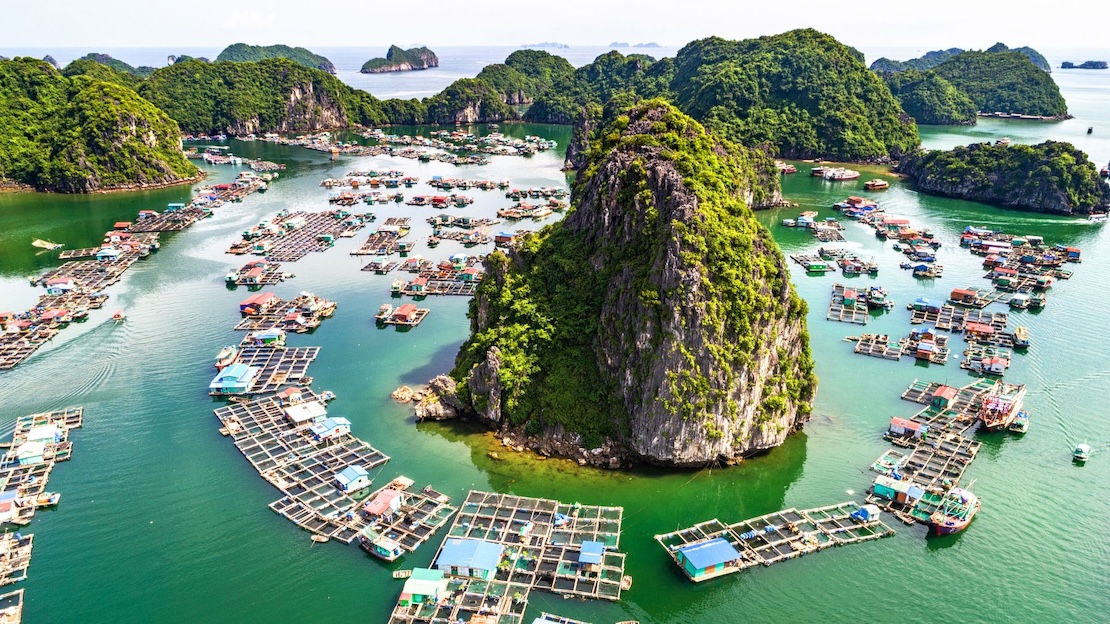

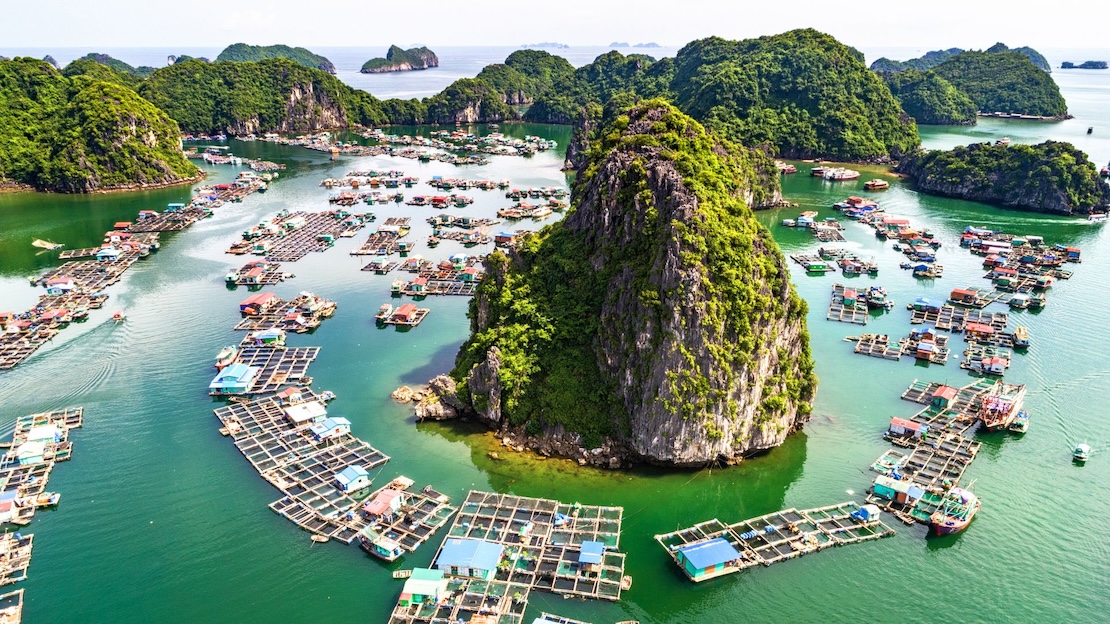
As we grapple with the escalating impacts of climate change and nature loss, integrating nature into infrastructure planning has become more critical than ever. It is through infrastructure that we can shape alternative futures. Two key concepts gaining attention are nature as infrastructure and nature-based solutions. While they may appear similar on the surface, understanding their distinctions—and the crucial role of biodiversity—is essential for building resilient and sustainable communities.
Nature as Infrastructure: Unlocking Ecosystem Potential
Nature as infrastructure encourages systemic thinking and emphasizes the links between different aspects of an ecosystem. As discussed in AIIB’s flagship report, Nature as Infrastructure (2023), nature as infrastructure goes beyond traditional nature-based solutions or merely mitigating human impacts on the environment. It embraces a transformative approach by exploring the intrinsic value of nature and enhancing investment in the protection of nature and biodiversity.
The parallels between nature and infrastructure are clear: Like physical infrastructure, ecosystems demand sustained and structured investment and management to prevent degradation and support regeneration.
However, investments in restoring nature often face resistance because local benefits may not be immediately experienced by the local population, while global benefits may be diffuse and hard to measure. Tension may arise when communities, particularly those in developing economies, have to choose between development opportunities from resource extraction— such as logging or mining—and global environmental goals.
Viewing nature as infrastructure reframes this conflict. Recognizing natural assets as fundamental infrastructure for life aligns local and global interests through their shared reliance on nature's services. Nature-based infrastructure, such as mangroves, wetlands and forests, offers unique resilience and helps mitigate long-term risks. Unlike rigid engineered structures, natural systems adapt and recover from disturbances. Mangroves and wetlands, for instance, reduce storm surge impacts, while forests stabilize water cycles, reducing drought and flood risks. During the 2004 Indian Ocean tsunami, intact mangroves protected coastal areas and Fiji's coral reefs minimized cyclone damage in 2016. These examples highlight the risk mitigation and cost-saving potential of healthy ecosystems, offering a compelling rationale for investing in nature-based infrastructure before disasters occur.
Another example is how vast river systems like the Indus, Nile and Amazon have sustained civilizations for millennia, offering water, transportation and fertile land. Yet, disruptions to these ecosystems often caused by human interventions exacerbate climate risks, such as catastrophic floods or desertification. Restoring these systems not only mitigates climate risks but also secures the economic and well-being benefits they provide for local communities. Earlier this year, AIIB pledged up to USD1 billion to help address the aftermath of the recent floods in southern Brazil, with the aim of directing some investments to protect communities from future extreme weather. This reflects the principles of nature as infrastructure: restoring the river system's capacity to manage extreme precipitation—increasingly critical as climate change intensifies.
Investing in nature-based infrastructure also prompts a reevaluation of economic growth and sustainability paradigms. Integrating natural capital into economic models, at the macro level as well as in the assessment of individual projects, ensures that ecosystems are valued for their contributions to economic resilience and long-term productivity. This approach prevents overexploitation while aligning local development with global conservation priorities.
To facilitate this transition, innovative financial mechanisms are emerging. Tools such as green and blue bonds, biodiversity credits and debt-for-nature swaps incentivize conservation by tying funding to measurable outcomes. Mechanisms like REDD+ programs to reduce emissions from deforestation and forest degradation in developing countries and sustainability-linked loans are already channeling capital to natural infrastructure projects, ensuring transparency and effectiveness through clear key performance indicators). Supporting policies are often essential for the viability of these innovative instruments.
Nature-Based Solutions: Targeted Interventions for Specific Challenges
While nature as infrastructure offers a systemic perspective, nature-based solutions focus on specific, actionable interventions that leverage natural processes to tackle specific societal challenges. Nature-based solutions integrate nature-positive practices into projects, often starting with a "do no harm" approach and progressing to solutions for issues like flood management, carbon sequestration, or urban heat mitigation.
Examples include wetland restoration to reduce flood risks, agroforestry that integrates trees with crops to enhance soil fertility and capture atmospheric CO₂ and urban green roofs and walls that improve air quality and reduce temperatures. Nature-based solutions often involve targeted funding for specific projects and emphasize innovation and scalability within existing frameworks. While nature-based solutions target specific issues, they contribute to broader sustainability goals and enhance community resilience.
Unlike the broader approach of viewing nature as fundamental infrastructure, nature-based solutions are often designed to provide direct, localized benefits. They align environmental conservation with immediate human needs and economic development, making them attractive options for communities and policymakers seeking tangible results. However, they may not address the systemic issues of ecosystem degradation and biodiversity loss on a global scale.
The Overlooked Importance of Biodiversity
Biodiversity underpins ecosystem stability, human survival and economic resilience. It is a multi-dimensional concept encompassing diversity of species, ecosystems, gene pools, functions and evolutionary histories. The intactness of species in a particular ecosystem or biome is often a good approximation of the health of that ecosystem.
A significant challenge is breaking biodiversity out of its silo so that the focus is not just about saving a particular species or plant but about preserving life on Earth. Loss of biodiversity leads to species extinction, destabilized ecosystems and increased risk of disease transmission. Healthy ecosystems act as buffers, reducing the prevalence and transmission of zoonotic diseases. Evidence shows that biodiversity loss, coupled with climate change, increases the risk of diseases spreading worldwide or the resurgence of diseases previously eradicated in some regions. Investing in biodiversity and healthy ecosystems is, therefore, not only about conservation—it is a direct investment in planetary health and economic security.
Moving Forward: Bridging Concepts for a Sustainable Future
In conclusion, recognizing nature as infrastructure provides a broader framework that supports the implementation of nature-based solutions, while both concepts hinge on the preservation and enhancement of biodiversity as their foundation.
By valuing natural systems as integral infrastructure components and employing them to solve specific challenges, we can create communities that not only survive but thrive amid changing environmental conditions. This approach may require us to make difficult choices, such as limiting development in ecologically sensitive areas, but the long-term benefits far outweigh the short-term sacrifices.
As we look to the future, especially in regions like Asia where the stakes are high, embracing both nature as infrastructure and nature-based solutions is essential. Policymakers, investors and communities need to collaborate to integrate nature seamlessly into the fabric of our built environment. This effort must prioritize biodiversity enhancement as a central element. Bringing out the health benefits of investments in nature also helps build support for these initiatives.
By bridging the gap between these concepts and emphasizing the crucial role of biodiversity, we pave the way for innovations that respect and harness the power of nature—a future that benefits us all.