
The future is bright for Côte d'Ivoire and there is a noticeable social and economic shift underway.
Economic growth in the West African country averaged a blistering 9% between 2012 and 2015, with 7% growth from 2016 to 2019. Despite the deleterious effects of the COVID-19 pandemic, average growth is expected to surge to 7.7% from 2021 to 2025. Private investment is expected to rise through mid-decade, accompanied by a significant drop in poverty. Through it all, infrastructure development is expected to play a key role in raising prosperity in the country.
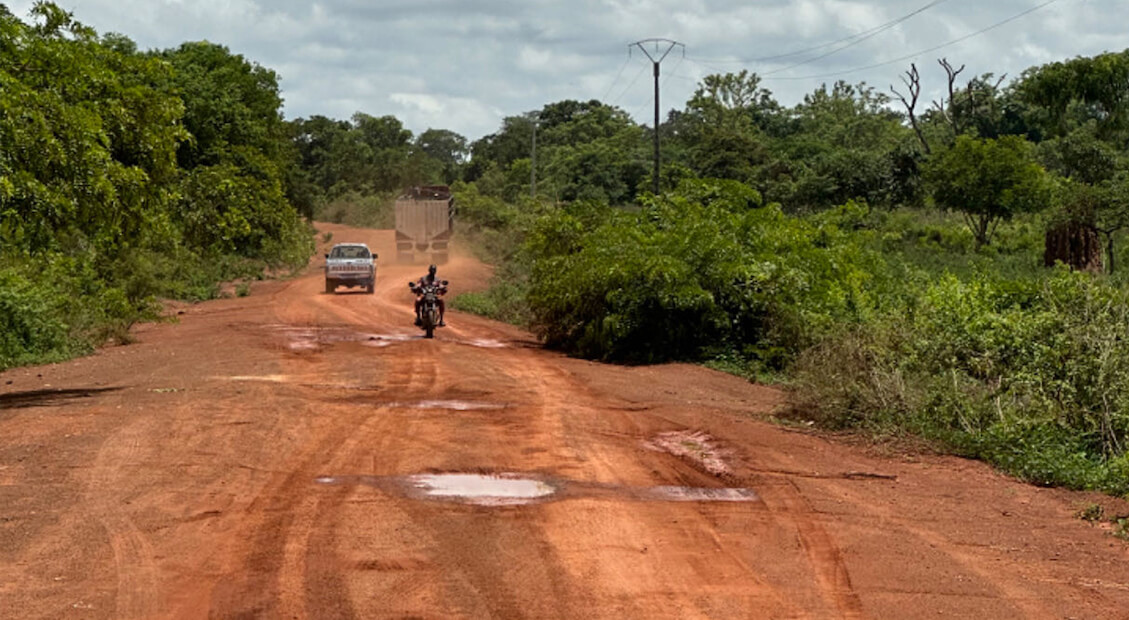
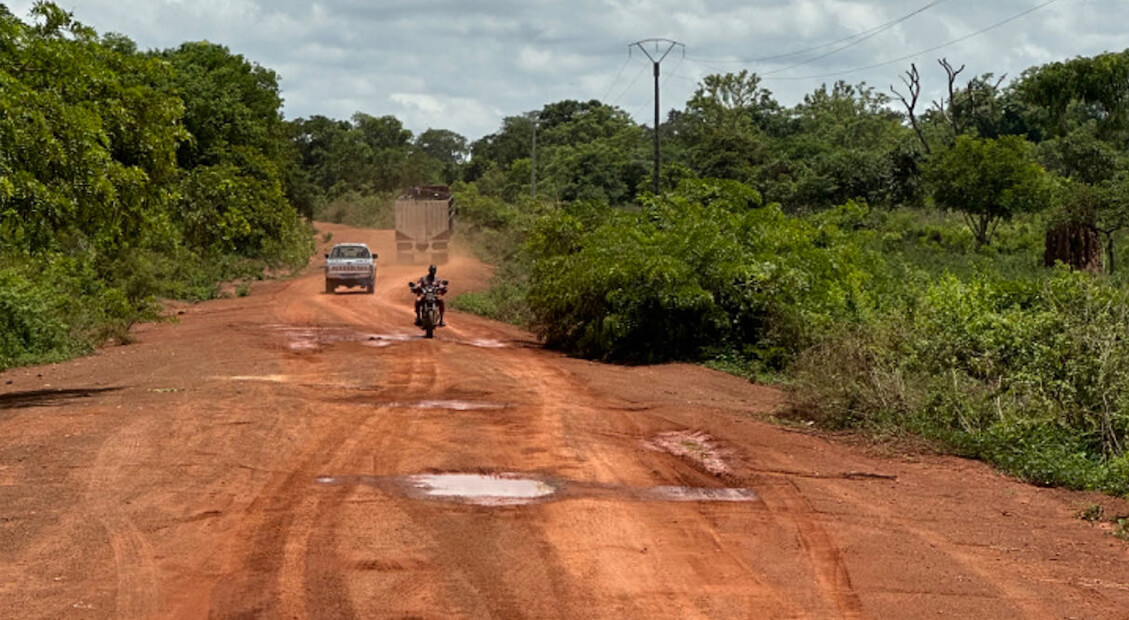
But the widespread optimism across Côte d’Ivoire and Africa is dulled by the shadow of huge disparities across the rural-urban and northern-southern divides and ever-present climate change. Rural connectivity is critical to enhancing accessibility and reducing the divide. With an underdeveloped rail network, the road network carries most of the traffic in Côte d’Ivoire and is crucial not only for access to basic services but also to support access for agricultural products to the international markets and to support growth. At the same time, with Côte d'Ivoire’s high climate vulnerability means its road network often experiences extensive damage from heavy precipitation. Climate change threatens to widen the urban-rural infrastructure gap, with ramifications for the entire country’s development.
To support the country’s needs for connectivity and climate-resilient infrastructure, the Asian Infrastructure Investment Bank (AIIB) signed a loan with the Republic of Côte d'Ivoire for EUR187.4 million (USD200 million) for the Inclusive Connectivity and Rural Infrastructure Project. The Government of Côte d'Ivoire and the World Bank are co-financing the Project.
The Project is a milestone: It marks AIIB's inaugural infrastructure venture in both Côte d'Ivoire and Sub-Saharan Africa, enhancing its involvement on the continent.
“AIIB is actively intensifying its efforts as we recognize the significant potential for sustainable energy and connectivity infrastructure to support sustainable growth in our African members, while contributing to global climate mitigation efforts and increased connectivity between Africa and Asia,” said Suzanne Shaw, Infrastructure Sector Economist at AIIB.
AIIB to date has nine previous projects in Africa, in Côte d'Ivoire, Egypt and Rwanda. In Egypt, AIIB has financed infrastructure projects in transport, water and energy sectors and supported an on-lending facility through the National Bank of Egypt to on-lend to sub-projects in the infrastructure sector. In Rwanda, through the Crisis Recovery Facility, AIIB is financing an on-lending facility to support small and medium-sized enterprises as part of pandemic recovery efforts. In 2022, AIIB supported Côte d'Ivoire to strengthen its vaccination and health systems through the same Facility.
The Côte d'Ivoire Inclusive Connectivity and Rural Infrastructure Project addresses 11 underserved regions in the country’s north and involves upgrading and climate-proofing rural roads to improve access to schools, health services and rural markets. The Project will also develop climate-resilient infrastructure in the agri-logistics chain, a key component of economic activity in the northern regions which depend heavily on agriculture. Women, in particular, stand to benefit as they are disproportionately affected by the poor quality of roads and infrastructure, which limit their access to education, health care and active economic involvement.
Shaw notes that, “As a development partner, AIIB places high importance on aligning investments with the development priorities of its Members while adhering to the Bank’s commitment to sustainability.”
Through the Project, 7,000 kilometers of rural roads will be developed and 15,000 kilometers maintained, granting dependable all-weather access to around 3.67 million individuals . Together with the development of climate-resilient agri-logistics infrastructure, the Project will strengthen the economic activity and trade connectivity of the regions, creating stronger links with Asia.
The undertaking involves the country’s prime cotton and cashew-producing areas. Combined, these agricultural products represent about 50% of exports to Asia. The aim is to curtail post-harvest losses, decrease transportation costs and alleviate bottlenecks in transporting agricultural goods, notably with Asia. Noteworthy is Côte d'Ivoire's consistent trade growth with Asia, averaging around 12% annually.
“Investments which enhance trade connectivity within and outside the African region facilitate international movement of goods, technology and people, which is crucial to remain competitive and achieve growth in the globalized world”, said Shaw.
According to Shaw, the Project will also support capacity building of private sector entities to position them to play a larger role in long term road infrastructure development and maintenance, to continue the works and remain active beyond the life of the project.
In addition to the Project’s connectivity benefits, it is also considered ‘green infrastructure’. All key thoroughfares within the Project regions will be made resilient against climate-related challenges. Notably, 51% of the loan, roughly USD102 million, is dedicated to climate adaptation financing.
Furthermore, the Project includes measures to mitigate the effects of climate change through nature-based solutions in road infrastructure development, such as tree planting, while incorporating climate resilience into road safety, road asset management, and road maintenance planning and execution. The initiative demonstrates AIIB's commitment to advancing sustainable practices and aiding Members in fulfilling their Paris Agreement pledges.
“Connectivity and green infrastructure are important pillars for achieving sustainable economic growth in Africa,” said Shaw. “Enhancing energy access, increasing low-carbon energy-related infrastructure, and fostering e-mobility, are key green infrastructure areas with significant potential to build sustainable growth in Africa. Investments in these areas can deliver local environmental improvements and/or contribute to climate action, supporting development with sustainability at its core.”
Through its work in Côte d'Ivoire, AIIB seeks to further explore connectivity and green infrastructure needs in the emerging economies of Africa. AIIB also hopes its participation in infrastructure financing in Africa can serve to attract private-sector interest in infrastructure investments in the region.
Under the theme “Sustainable Growth in a Challenging World”, AIIB is holding its first Annual Meeting in Africa on September 25-26, 2023, in the Egyptian city of Sharm El Sheikh. Registration to attend in-person will be closed at 11:59 p.m., September 10, 2023 (GMT+8). AIIB’s Annual Meeting program provides a rich variety of engaging sessions that explore the latest trends and issues relevant to sustainable growth and infrastructure connectivity.
“Our cooperation across various fronts in Africa is in its nascent stages,” said Konstantin Limitovskiy, Vice President of Investment Operations at AIIB. “Our team expects to build strong relationships with infrastructure players in Côte d'Ivoire and Africa and explore new opportunities in the sector to expand connectivity and resilience en route to a cleaner, greener and sustainable planet. Exciting opportunities abound. Our work has only just begun.”
This article was originally published on CNBC Africa.